
Controversial Jeffrey Epstein Files Release Exposes Alarming Details
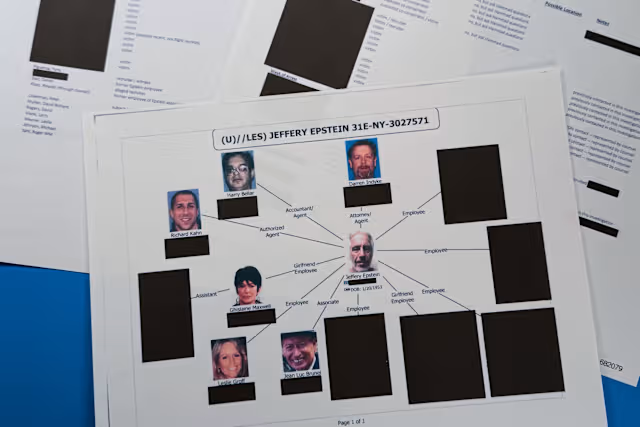
Jeffrey Epstein files release–related documents by the US Department of Justice (DoJ) has once again brought global attention to one of the most controversial criminal cases in modern history. Years after Epstein’s death, the public, lawmakers, and victims are still seeking answers, transparency, and accountability.
Recently, the DoJ began releasing multiple tranches of files connected to Epstein’s investigations. These documents include emails, photos, flight logs, court records, and investigative material. The releases were highly anticipated because Congress passed a law requiring the DoJ to make these files public.
However, the rollout has not been simple. Many files remain redacted, and some documents have not yet been released. This has triggered debate about transparency, victim protection, and the government’s legal responsibilities.
Let’s break down what has been released so far, what it means, and why the Epstein case continues to be a major topic worldwide.
Why Were Jeffrey Epstein files release?
Jeffrey Epstein files release due to a transparency law passed by Congress. The law required the DoJ to disclose Epstein-related records by a specific deadline, aiming to provide more clarity about the investigation and the people connected to Epstein.
The purpose of this law was to:
-
Increase public transparency
-
Address long-standing questions about Epstein’s network
-
Support victims seeking closure
-
Ensure accountability within legal systems
However, transparency must be balanced with privacy and legal protections. Officials say they must carefully review each document to avoid exposing victims or interfering with ongoing investigations.
Deputy Attorney General Todd Blanche explained that hundreds of thousands of pages still require review, which is why not everything has been released yet.
Why Are So Many Documents Redacted?
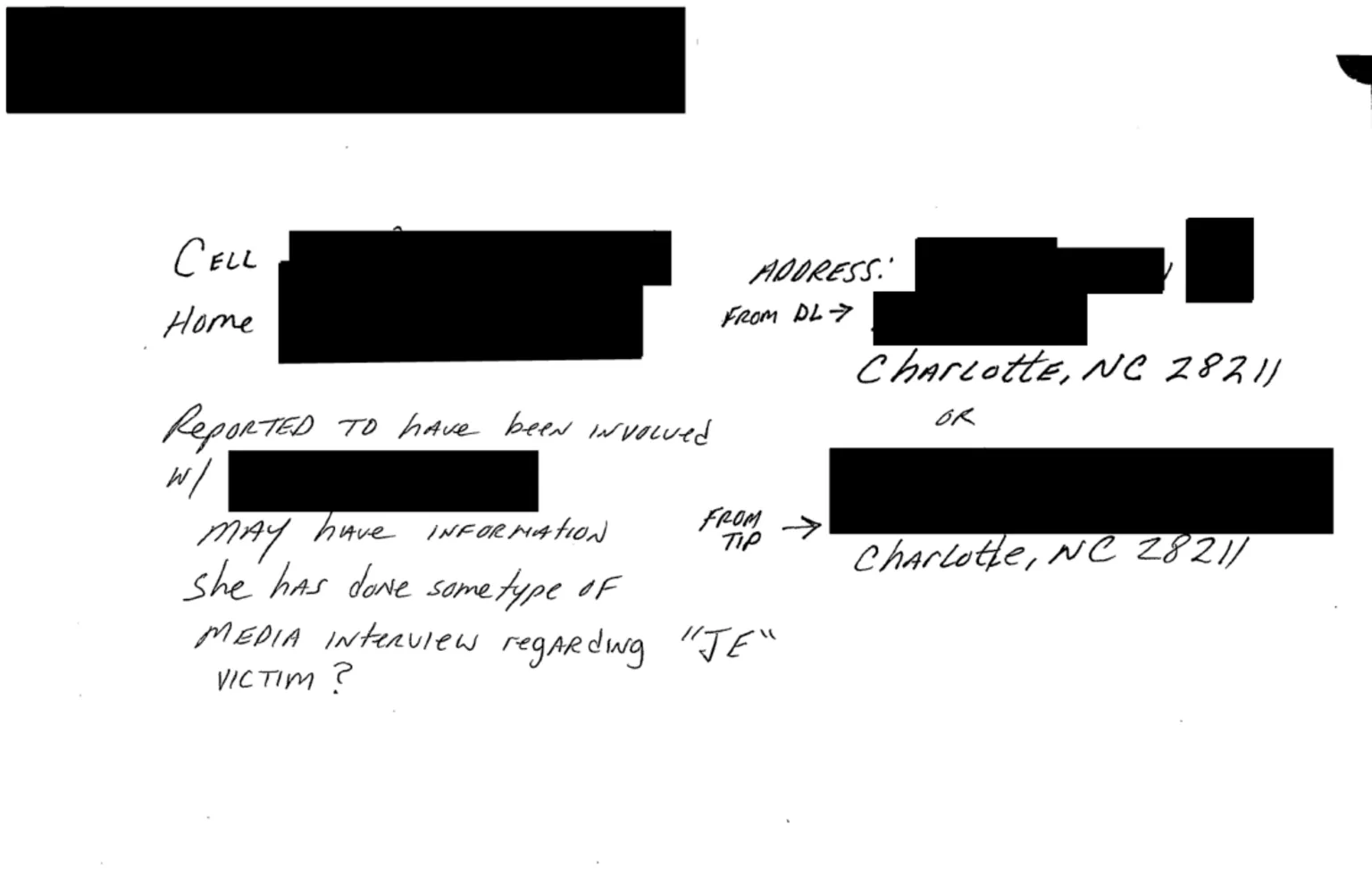
One of the biggest points of criticism is the heavy redaction in many released documents. Entire pages appear blacked out in some cases.
According to the law, redactions are allowed only for:
-
Protecting the identities of victims
-
Safeguarding active investigations
-
Preventing harm to ongoing legal matters
Some lawmakers argue that the DoJ has not fully explained certain redactions, which the law technically requires. This has led to frustration among transparency advocates.
Still, others emphasize that protecting victims must come first. Many survivors of abuse have asked for privacy and sensitivity when handling these records

FBI Emails Mention Possible “Co-Conspirators”
Among the most discussed releases are internal FBI emails from 2019 referencing 10 possible co-conspirators in the Jeffrey Epstein files release.
These emails indicate:
-
Six individuals had already been served subpoenas
-
Four subpoenas were still pending
-
Locations included Florida, Boston, New York, Connecticut, and Ohio
Two names appeared without redaction:
-
Ghislaine Maxwell
-
Les Wexner
Ghislaine Maxwell’s Role
Ghislaine Maxwell, Epstein’s close associate, has already been convicted. In 2022, she was sentenced to 20 years in prison for sex trafficking and related offenses involving minors.
Her conviction confirmed that Epstein did not act alone, reinforcing the public’s interest in understanding who else may have been involved.
Les Wexner’s Response
Les Wexner, former CEO of Victoria’s Secret, had a known past friendship with Epstein. However, his legal team has stated that prosecutors previously confirmed he was not a target or co-conspirator.
Wexner publicly distanced himself from Epstein years ago and expressed regret over the association.
“Important reminder: Being named in documents does not mean guilt. Many individuals appear simply due to social or professional connections”
Bill Clinton’s Appearances in Photos
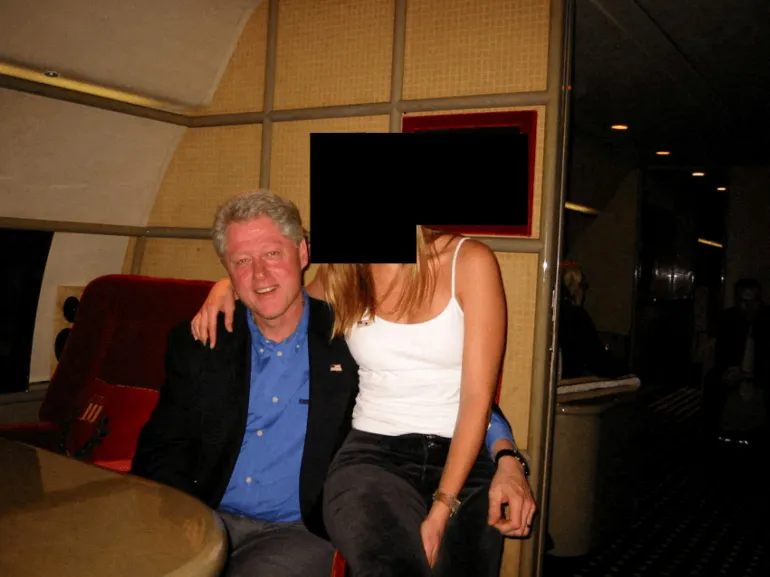
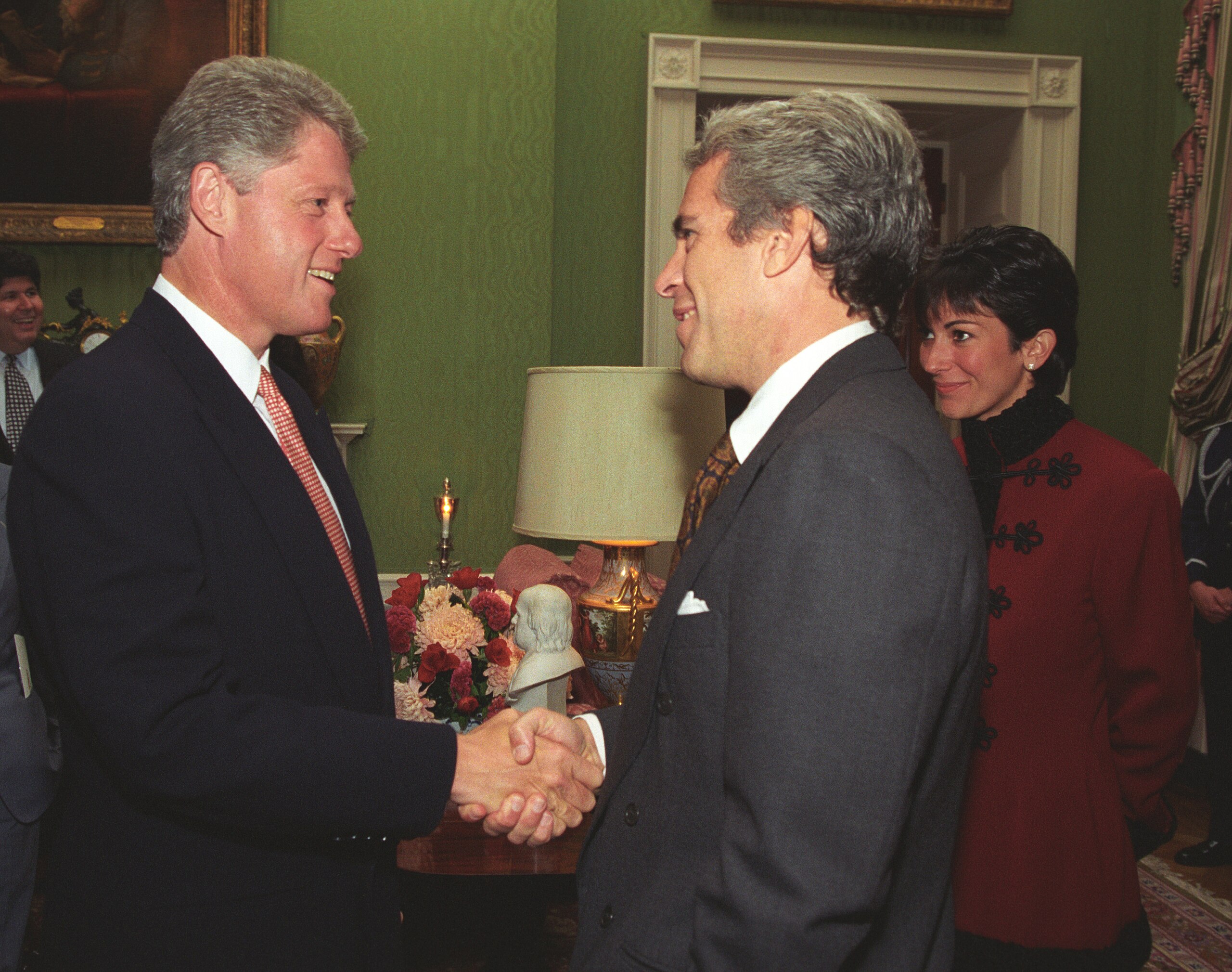
Some Jeffrey Epstein file release images show former US President Bill Clinton at social events with Epstein. These photos date back decades, primarily before Epstein’s first arrest.
Clinton has:
-
Denied knowledge of Epstein’s crimes
-
Never been accused by Epstein survivors
-
Repeatedly stated he cut ties with Epstein
His representatives have emphasized that the photos are old and taken long before the full scope of Epstein’s criminal behavior became public.
Clinton’s team has also called for broader transparency, suggesting more files should be released.
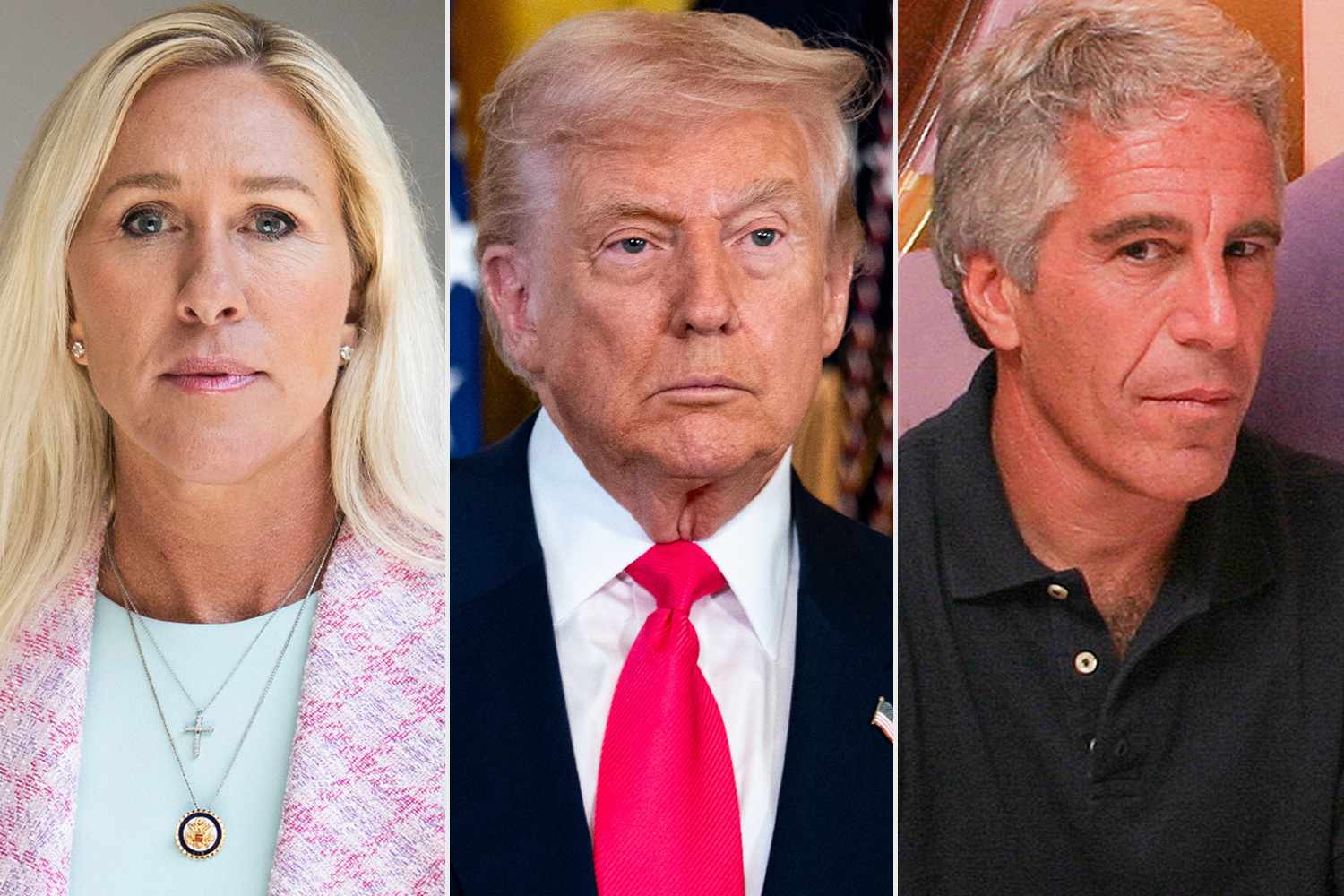
Donald Trump’s Mentions in Records
The current US president, Donald Trump, is also mentioned in some released records.
Court filings describe an instance where Epstein allegedly introduced a teenage girl to Trump in the 1990s. The accuser reported feeling uncomfortable but did not accuse Trump of wrongdoing.
Flight logs indicate Trump was listed as a passenger on Epstein’s private jet multiple times in the 1990s. Family members were reportedly on some of those flights.
Trump has:
-
Acknowledged knowing Epstein socially
-
Said their relationship ended years before Epstein’s legal issues
-
Consistently denied wrongdoing
The DoJ has noted that some claims in the files may be unverified or sensational.
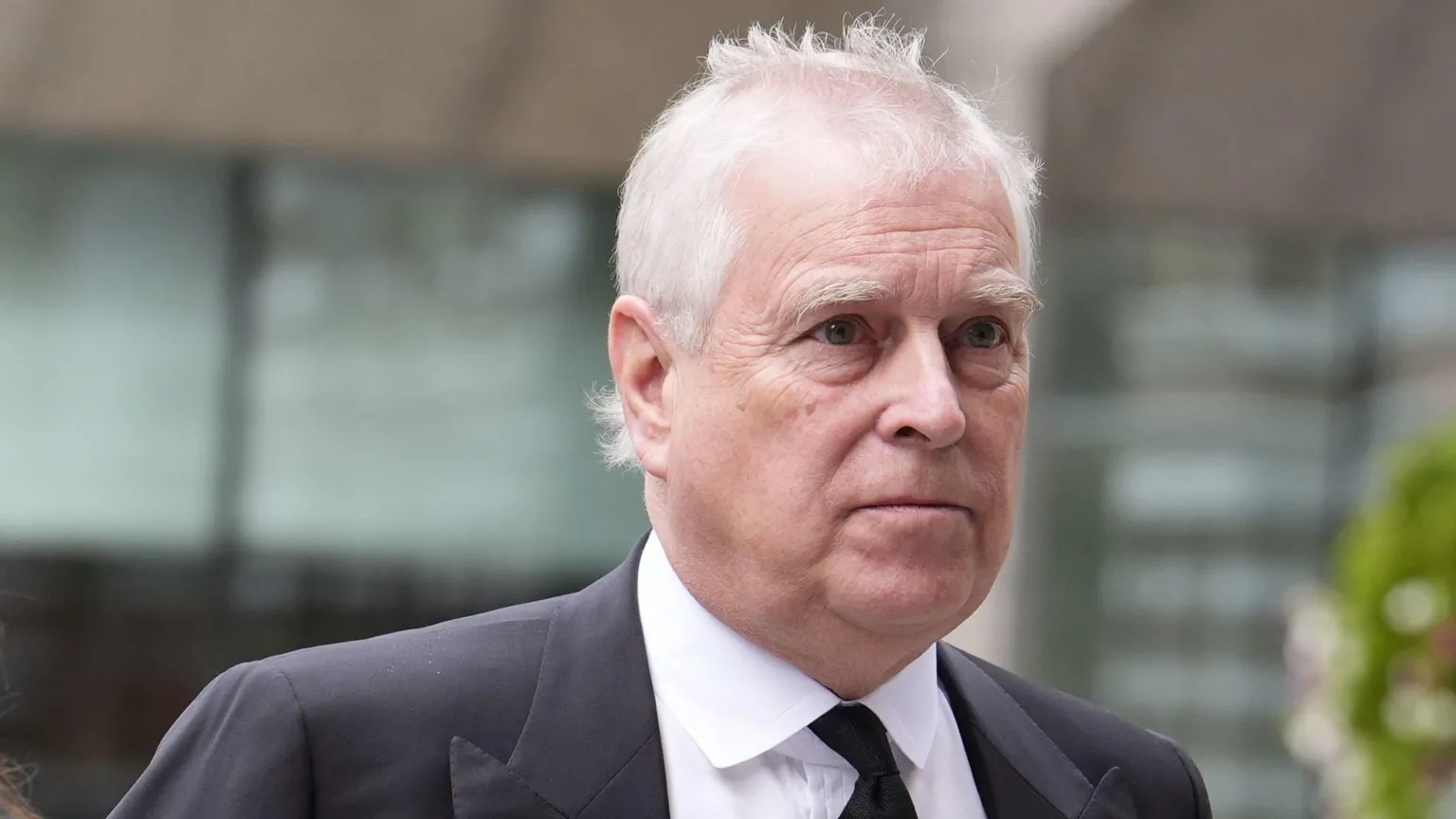
Prince Andrew and Royal Connections
Prince Andrew has faced public scrutiny for years due to his past friendship with Epstein.
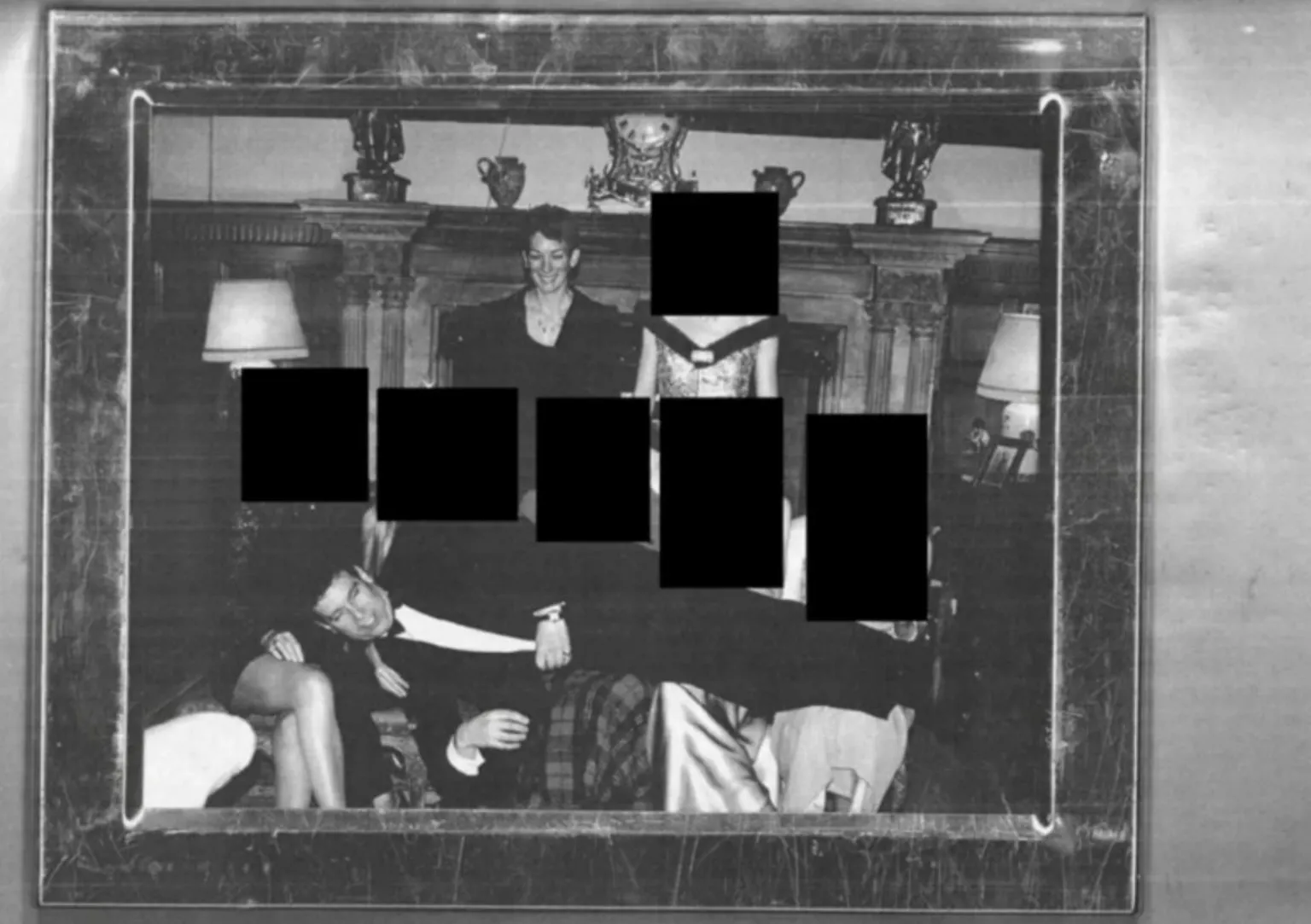
One released photo appears to show him in a group setting, with Maxwell nearby. Other individuals in the photo are redacted.
Additionally, an email from someone labeled “A” references Balmoral and asks Maxwell about “inappropriate friends.” Some have speculated about the sender’s identity, but details remain unclear.
Prince Andrew has repeatedly denied wrongdoing and stated he never suspected Epstein’s crimes.
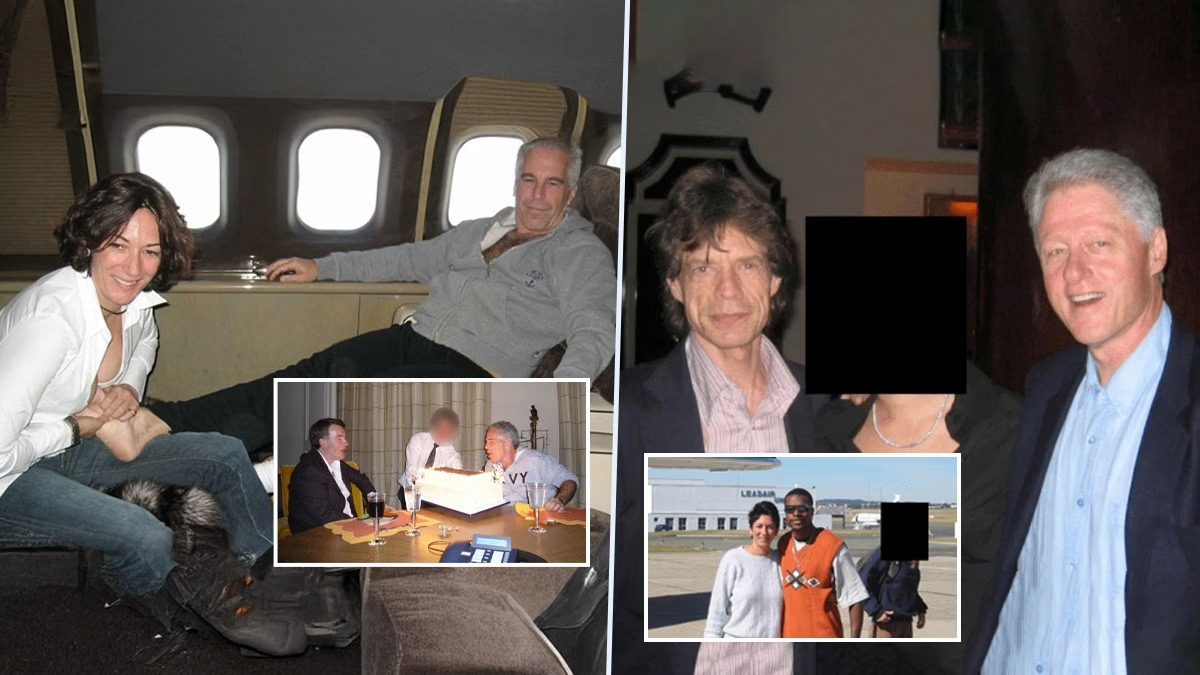
Celebrities Mentioned in the Files
The Jeffrey Epstein file release also include photos or mentions of well-known public figures such as:
-
Michael Jackson
-
Mick Jagger
-
Diana Ross
-
Chris Tucker
It’s unclear where or when many photos were taken. Epstein was known to attend high-profile events and collect photos from social gatherings.
Presence in a photo does not imply involvement in criminal activity
This distinction is critical, as public speculation can easily lead to misinformation.
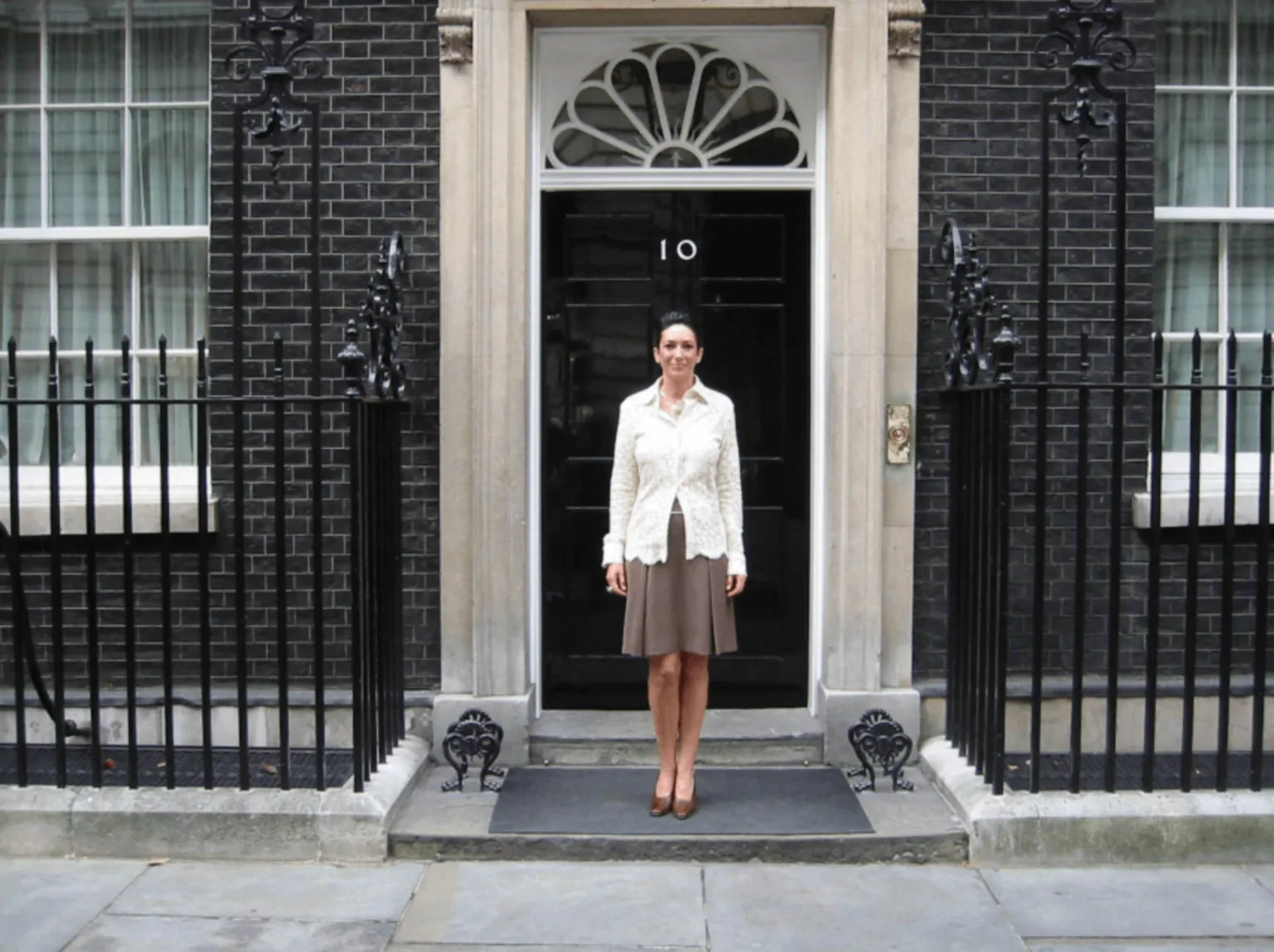
Maxwell Seen at Downing Street
One image shows Ghislaine Maxwell outside Downing Street in London. No date or purpose is provided.
Without context, it’s impossible to draw conclusions. High-profile individuals often attend official or social events near government locations.

Sisters Annie Farmer, left, and Maria Farmer in an undated photo.
Maria Farmer’s Story
Maria Farmer is one of Epstein’s earliest known accusers. In a 1996 FBI report, she alleged:
-
Epstein stole personal photographs
-
He threatened her when she considered speaking out
-
He asked her to take photos of young girls
Her identity was redacted in the documents, but she later confirmed the report was hers.
Farmer has said she feels vindicated after decades of being overlooked. Her story highlights how long victims have waited for acknowledgment in Jeffrey Epstein file release
Why the Jeffrey Epstein file release Case Still Matters
Even years after Epstein’s death, this case remains significant because it involves:
-
Power and influence
-
Victim advocacy
-
Legal transparency
-
Public accountability
Many believe the full story has not yet been revealed. Survivors continue to seek justice and recognition.
The document releases are seen by some as a step toward transparency, even if incomplete.

Transparency vs. Privacy
The Jeffrey Epstein file release raise an important question:
How do we balance public transparency with victim protection?
Some argue full disclosure is necessary for accountability. Others stress that victims’ privacy must remain a priority.
Both sides highlight valid concerns, making this a complex legal and ethical issue.

What Happens Next?
According to the DoJ:
-
More files are expected
-
Reviews are ongoing
-
Additional releases may come in phases
Some members of Congress have even suggested legal action if transparency requirements are not met.
Public interest remains high, and future releases could provide more clarity.
Key Takeaways
- Thousands of Epstein-related documents have been released
- Many pages remain redacted
- Naming does not equal guilt
- Victim protection remains central
- More releases are expected
Final Thoughts
The Jeffrey Epstein files release case continues to spark discussion worldwide because it touches on justice, power, and accountability. While the newly released documents offer insight, they also show how much remains unknown.
For many, the priority is ensuring victims are protected while still seeking truth and transparency.
As more files are reviewed and released, the public conversation will likely continue.