
The Northern Lights
Chasing the Green Lady: A Journey Through the History and Magic of the Northern Lights
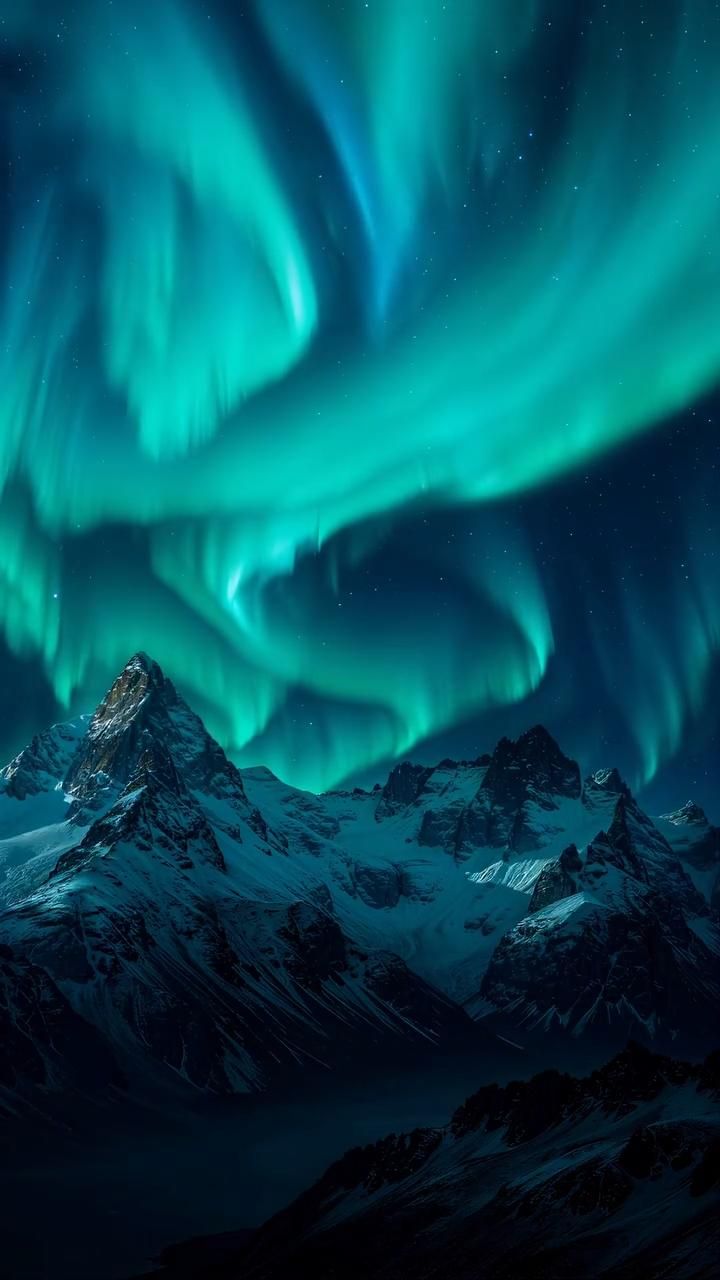
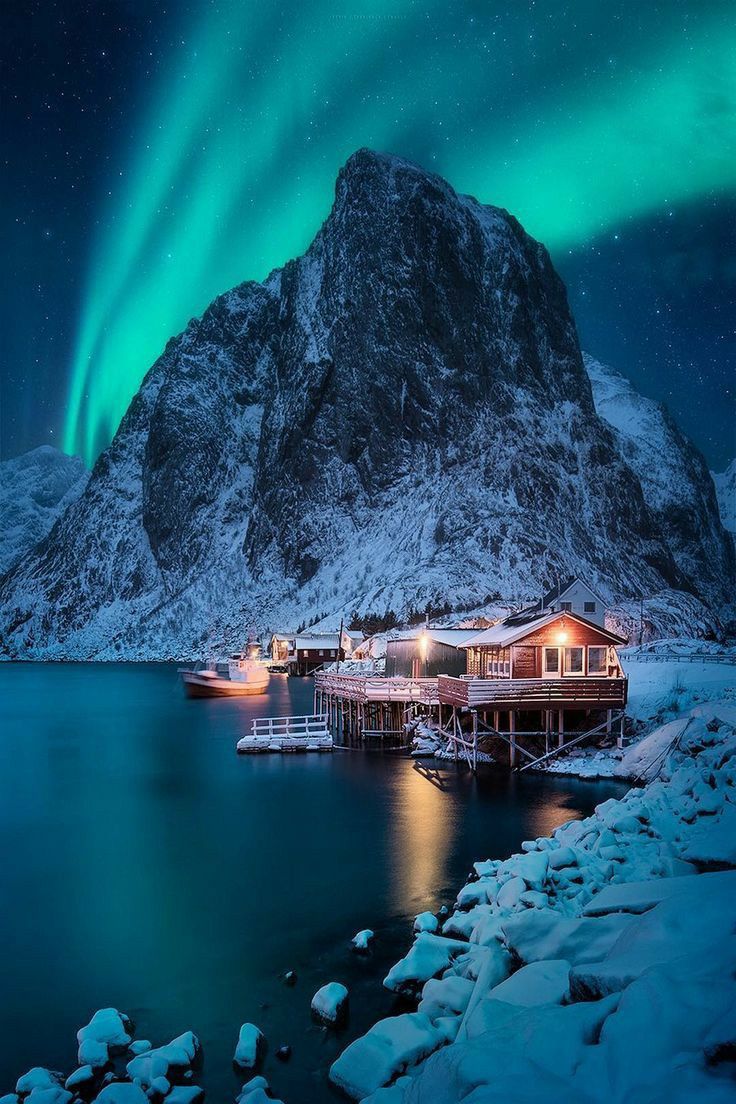
Imagine standing on a frozen lake in the dead of winter. The silence is so deep you can hear your own heartbeat. Suddenly, the darkness overhead tears open. A ribbon of neon green unfurls across the stars, dancing and twisting like it’s alive. This is the Aurora Borealis, and no matter how many photos you’ve seen on Instagram, nothing prepares you for the moment the sky actually wakes up.
For centuries, this celestial light show has terrified, delighted, and obsessed us. But where did the story begin, and where should you go to catch it yourself? Let’s take a journey from the ancient myths to the modern Solar Maximum of 2025.
From Myth to Science: The Discovery
Long before we had a scientific name for them, the Northern Lights were already woven into the fabric of human culture. They weren’t discovered in the traditional sense indigenous peoples of the Arctic had been living under them for millennia.
For the Sami people of Scandinavia, the lights were to be respected and feared, they believed the lights were the souls of the dead, and you definitely didn’t whistle at them, lest you be snatched up into the sky. In Finnish folklore, they are called revontulet or Fox Fires, believed to be sparks flying from the tail of a mystical fox running across the snow. Meanwhile, the Vikings saw them as the Bifröst Bridge, or reflections from the shields of the Valkyries leading fallen warriors to Valhalla.
The scientific discovery came much later. In 1619, Galileo Galilei coined the term Aurora Borealis (after the Roman goddess of Aurora, and the Greek god of the north wind, Boreas). However, he got the science wrong, thinking it was sunlight reflecting off the atmosphere. It wasn’t until the early 20th century that Norwegian scientist Kristian Birkeland bravely and dangerously simulated auroras in his lab, proving they were caused by electromagnetic currents. Today, we know the truth, the sun shoots charged particles toward Earth. When these particles slam into our magnetic field, they are funnelled toward the poles where they collide with oxygen and nitrogen gases. It’s essentially nature’s neon sign. Oxygen gives us that classic green, nitrogen brings the purples and pinks.
Why “Now” is the Best Time to Go
If you have been waiting for a sign to book that ticket, this is it. The sun goes through an 11 year activity cycle, and right now, we are in the thick of Solar Cycle 25.
Scientists predict that 2024 through 2026 will be the Solar Maximum the peak of solar activity. This means the lights are currently more frequent, more intense, and visible further south than they have been in over a decade. We are living in the golden age of aurora hunting.
Final Thoughts
Chasing the Northern Lights is never a guarantee it is a hunt. You need patience, warm layers warmer than you think!, and a bit of luck. But standing in the freezing dark, waiting for the universe to put on a show, reminds us of how small we are and how beautiful our planet is.
So grab your thermal boots. The solar maximum is here, and the Green Lady is waiting
Trackbacks/Pingbacks